

From Protection to Recognition: Advancing Inclusive Justice



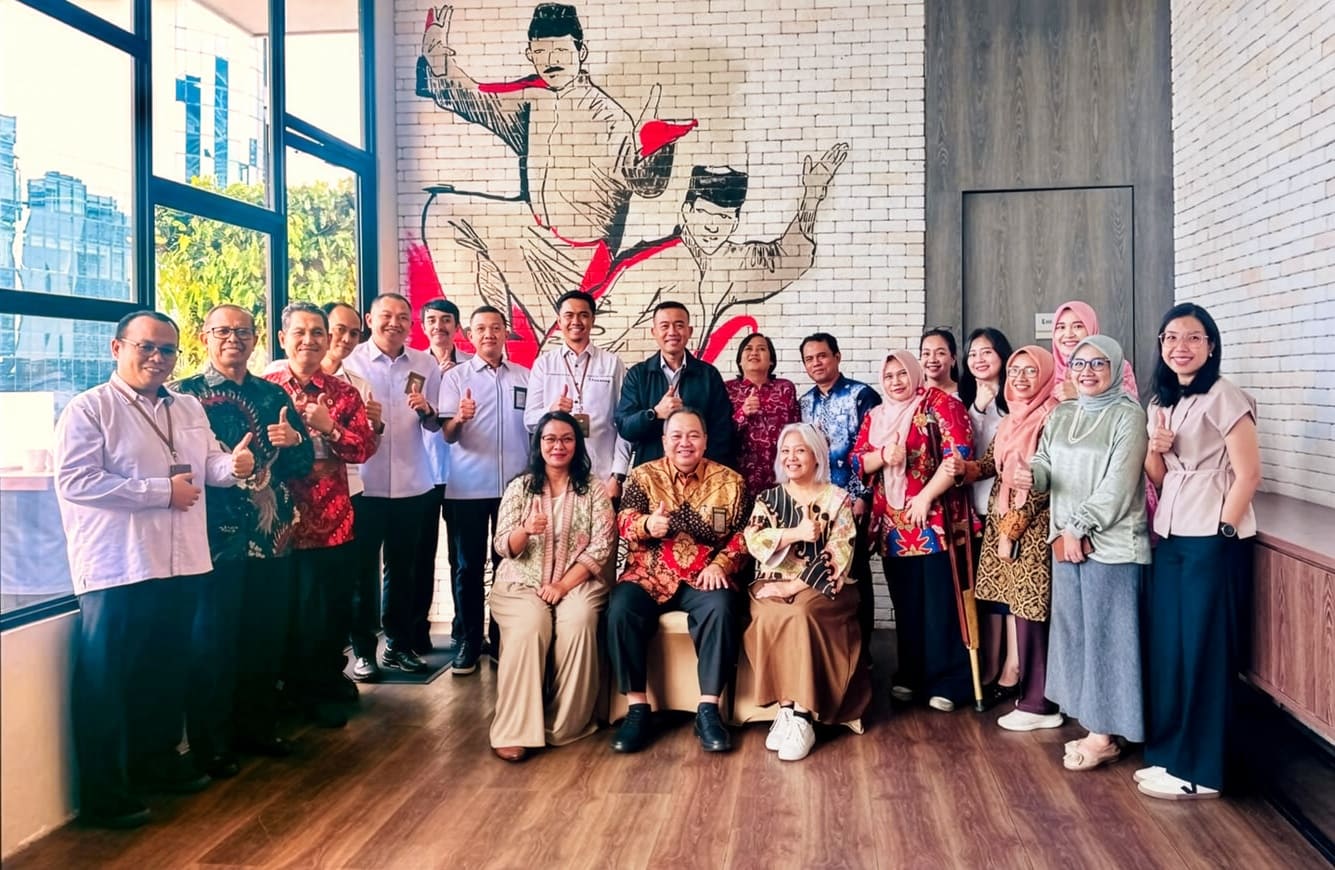
The Supreme Court of Republic of Indonesia convened an Access to Justice Working Group planning meeting on 22-23 December 2025, bringing together representatives from across its units, organizations of persons with disabilities, and research partners.
Access to Justice Working Group participants from the Supreme Court, civil society, and the AIPJ3 team, with resource persons from the University of Indonesia’s Forensic Psychiatry Division (courtesy of the Supreme Court)
This meeting marked a significant collective effort and clear shift in perspective – from paternalistic protection towards recognition of the legal capacity of people with disabilities. During the inception phase, AIPJ3 supported a series of public dialogues that culminated in the issuance of Supreme Court Regulation No. 2/2025 on Guideline for Handling Cases of People with Disabilities in Conflict with the Law on 20 October 2025.
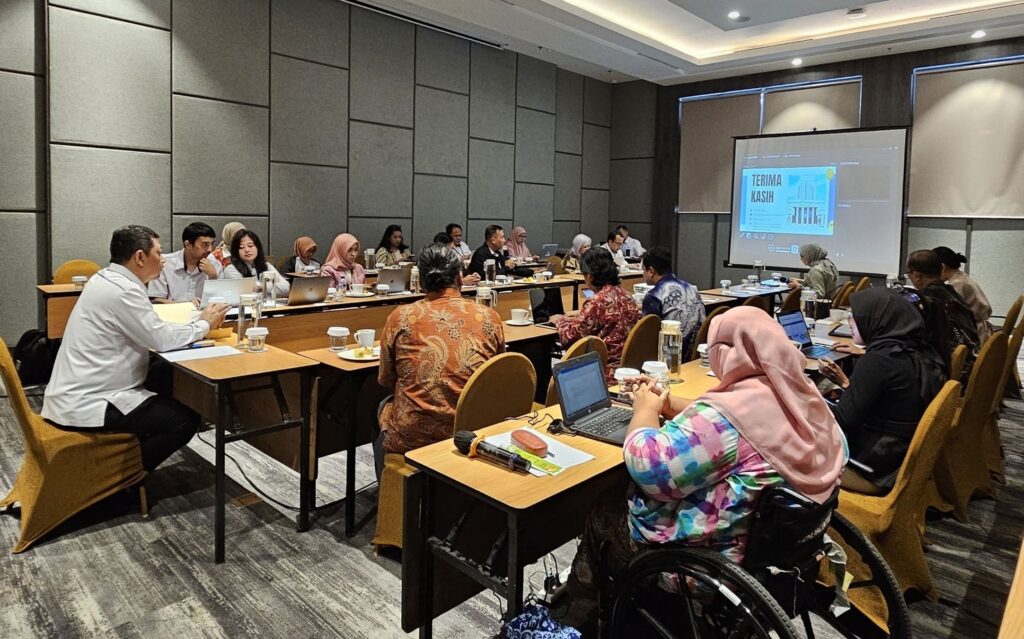
Access to Justice Working Group Planning Meeting
Furthermore, Sentra Advokasi Perempuan, Difabel, dan Anak (SAPDA), highlighted that following its assistance to 152 courts across Indonesia, strengthening the court’s perspective on disabilities remains a key priority. SAPDA recommended integrating disability-inclusive case handling into court training curricula and inviting people with disabilities as resource persons. With respect to the rights for people with psychosocial disabilities, Sasana Inklusi dan Gerakan Advokasi Difabel (SIGAB) and Pusat In his opening remarks, Vice Chief Justice Suharto, who also serves as the Head of the Working Group, emphasised that the working group’s mandate is to ensure equal access to justice for all citizens. Court representatives shared priority actions to eliminate barriers faced by people with disabilities when accessing justice. The meeting also featured a presentation by the University of Indonesia Forensic Psychiatry Division on the spectrum of psychosocial disabilities and practical assessment approaches in collaboration with law enforcement agencies. Studi HAM Universitas Islam Indonesia (Pusham UII), advocated for supported decision-making to be prioritised as an official legal approach than guardianship.
Echoing this emphasis on collaboration, the Director General of the General Courts (Badilum), Bambang Myanto, highlighted that “It is important to strengthen coordination across units within the Supreme Court and with external stakeholders, including organizations of persons with disabilities, particularly when conducting monitoring and evaluation processes.”
The meeting concluded with agreement on eight follow-up priorities. These include including developing technical guidelines to clarify key provisions of Supreme Court Regulation No. 2/2025 –such as early identification, personalised assessment, mental health examinations, and guardianship– as well as producing practical FAQs for judges and court officials. Other priorities include standardising accessible court infrastructure, strengthening judicial capacity, indexing and reviewing court decisions involving persons with disabilities, and improving disaggregated data to support evidence-based policy making.