

Supporting Women and Children After Divorce



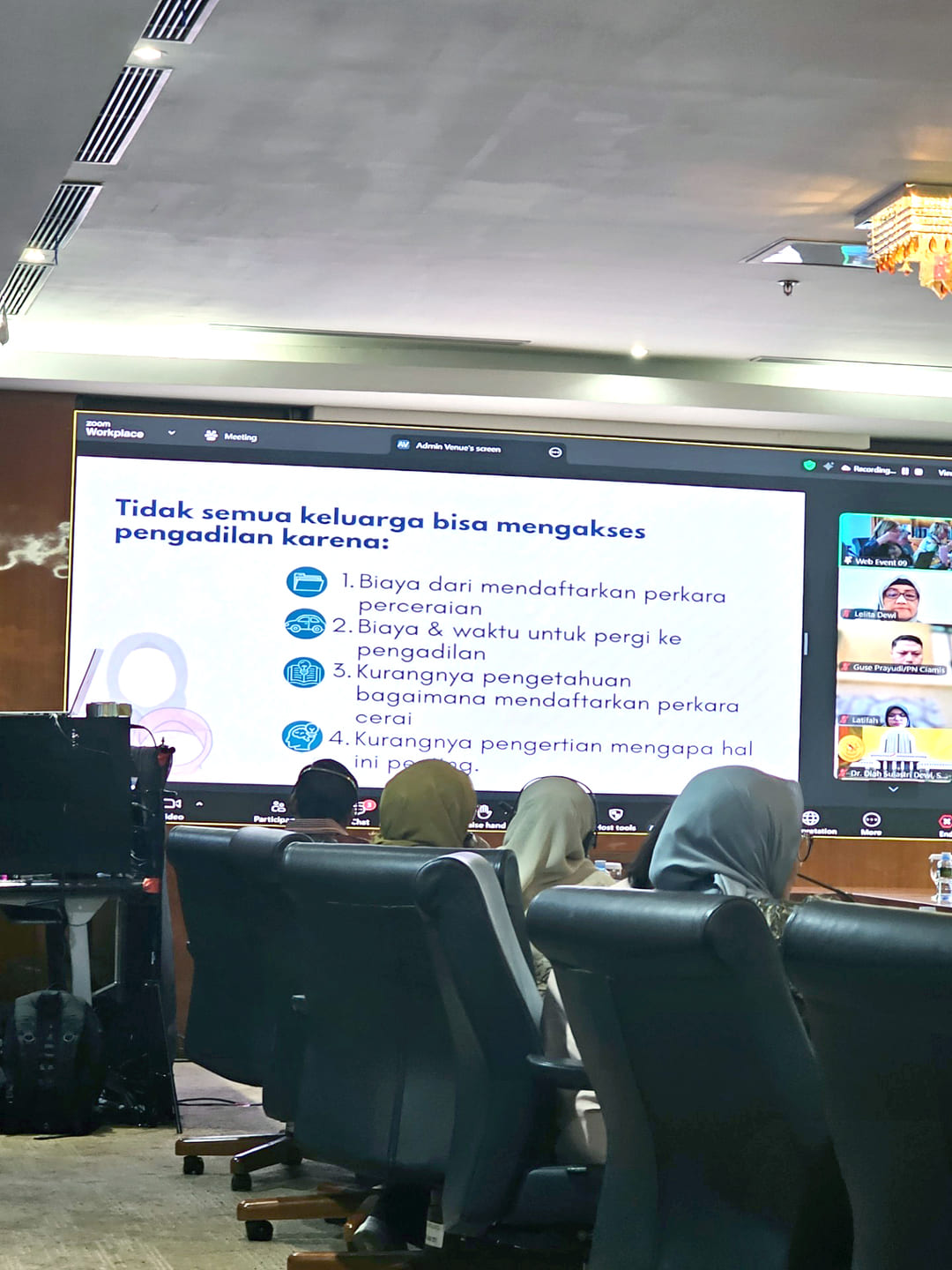
With almost half a million divorce cases coming to the courts of Indonesia in 2025, the Supreme Court and FCFCOA discussion focused on key ways to improve access to the family law courts and support better outcomes post-divorce.
Led by the Supreme Court’s Women and Children Working Group, the discussion allowed both courts to share knowledge and explore innovative implementation arrangements for the maintenance of children and former spouses post-divorce.
The Indonesian Religious Courts of Surabaya and Gresik presented initiatives that have demonstrated promising results in recent years. Both courts established Memoranda of Understandings (MoUs) with the local government and industry associations (in Gresik) to enforce and monitor post-divorce support payments by former spouse. The local government has developed mechanisms to monitor whether maintenance payments by the spouse are made.
The FCFCOA shared the experience of setting up the Child Support Agency in Australia and its impact on reducing the intergenerational poverty that women and children were facing post-divorce in Australia.
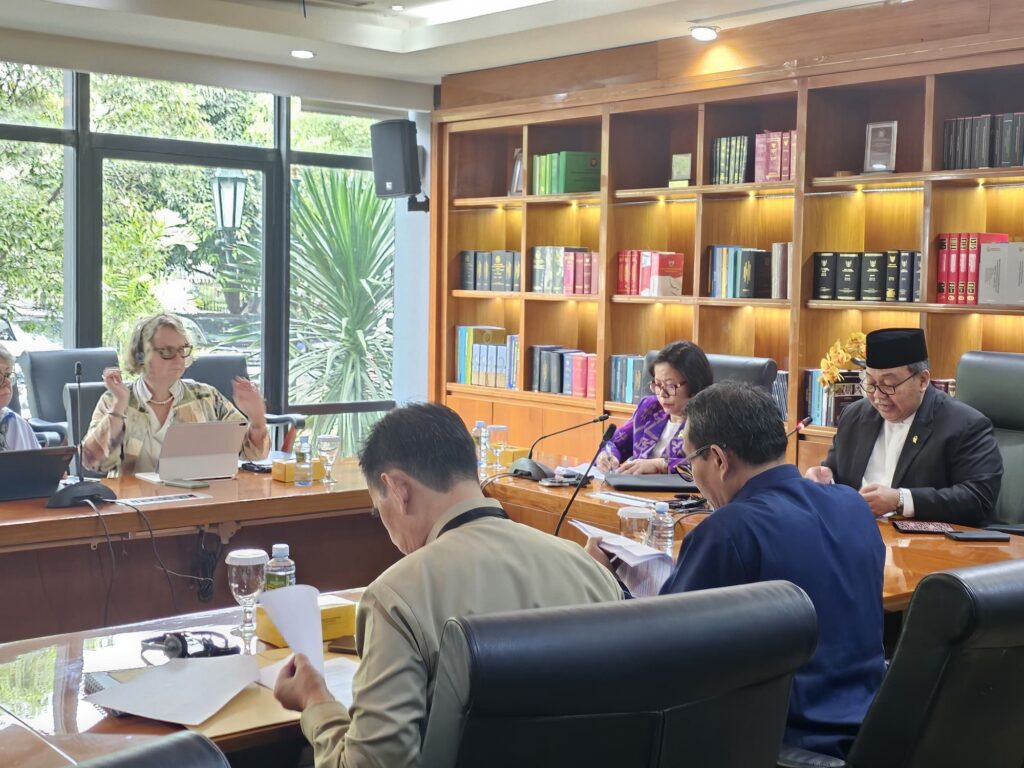
Justice Suzanne Christie reflected that, “Ensuring all women and children have access to justice in the event of divorce is a priority. Child maintenance is key to preventing single parent families falling into poverty. The innovations we have heard about this week in Surabaya and Gresik religious courts demonstrate the possibility for public-private partnerships. They are a significant stepping stone towards a national agency which registers and collects maintenance payments.”
Both courts agreed the goal was to ensure that women be supported to seek orders for maintenance and that judges made orders as a norm in all divorce cases to ensure the welfare of women and children post-divorce and that these orders were enforced. Following the discussion, the Supreme Court is planning to discuss next steps to formulate a court practice direction to support these approaches in courts across Indonesia.